Asics Gel Tactic volley shoes

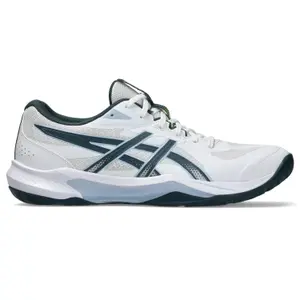
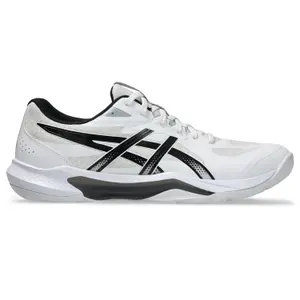
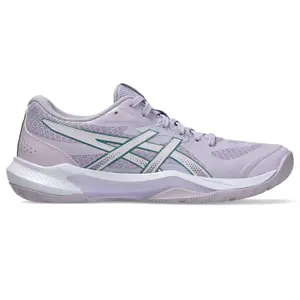
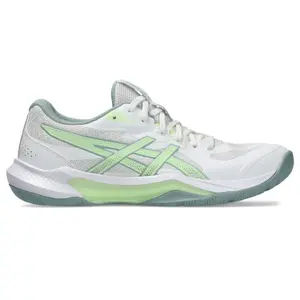
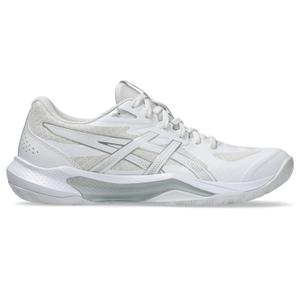
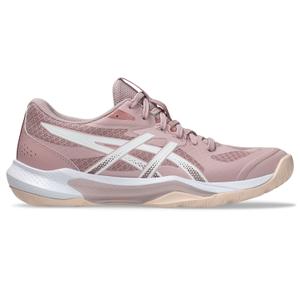
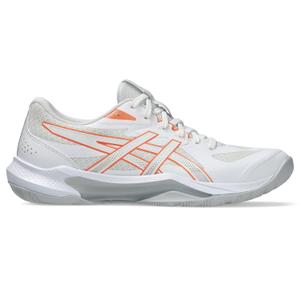
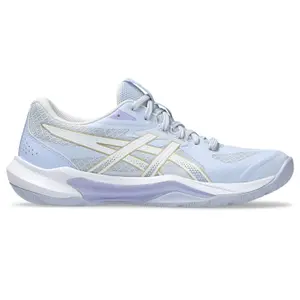


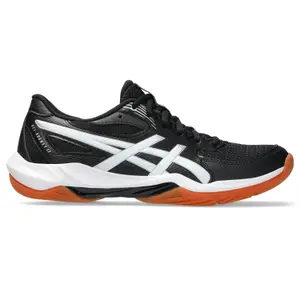

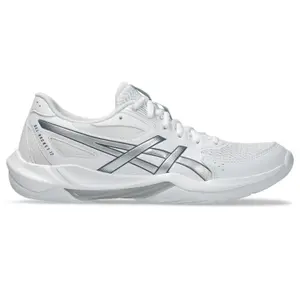
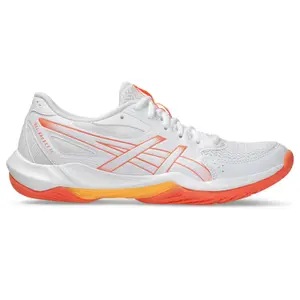
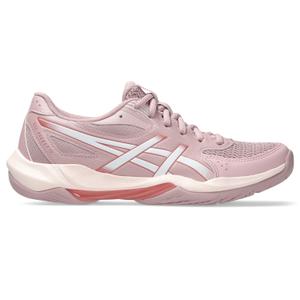
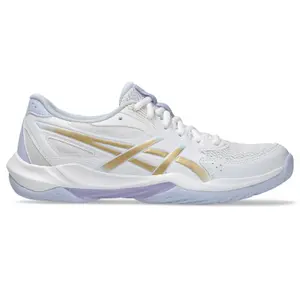
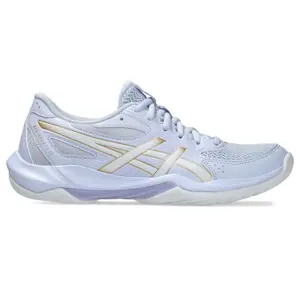
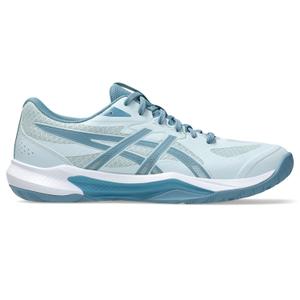
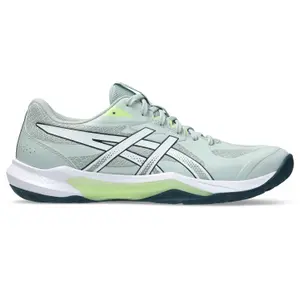
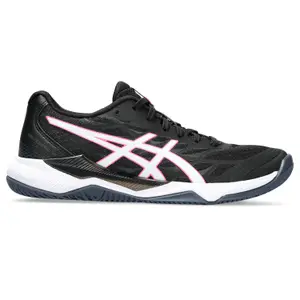
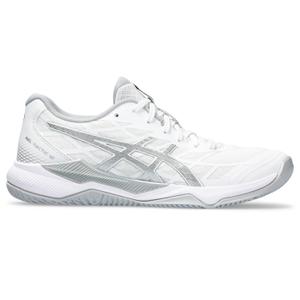
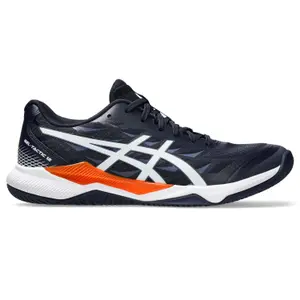
Defend low, pivot constantly, move to the side: the Asics Gel Tactic shoes are made for volleyball players who play close to the floor, with an indoor design focused primarily on stability.
The page mainly features women's models, with a few men's cuts, in colours ranging from concrete grey to purple.
Gel-Tactic: the stable indoor shoe
The Gel-Tactic is the indoor shoe by Asics designed for stability. It targets players who stay close to the ground, making lateral movements and changing direction. In volleyball, this is typical for liberos and defenders. It was initially created for indoor handball, which explains its grip on the sides.
The defender in volleyball, its natural audience
In volleyball, the Gel-Tactic is well-suited for a libero or a receiver who plays low and often dives for the ball. For a middle blocker or an attacker who jumps for every point, a jumping shoe like the Sky Elite would be more beneficial for receiving.
Gel-Tactic, Gel-Task, Netburner: compare Asics indoor shoes
- The Gel Task gets straight to the essentials, with a mid-top version.
- The Netburner is designed for quick movements in volleyball.
- The Powerbreak is the stable indoor shoe made for volleyball.
- The Sky Elite is aimed at jumpers.
The page shoes Asics brings together the whole brand.
Choosing the right size in Gel-Tactic
Start with the length of your foot, measured in the evening, and compare it to the size guide. A defender's shoe should fit snugly without any movement, as sudden stops can cause sliding forward. If you’re unsure between two sizes, try both on with your match socks.
Finding a cheaper Gel-Tactic
Older colourways go through the special shoe offers, then through shoe clearance when a line ends.
Frequently asked questions
Is a Gel-Tactic enough to play club volleyball?
Yes, for a player who defends a lot or plays recreationally. It lacks the propulsion needed for an attacker who jumps during every exchange. In that case, consider the Sky Elite or the Metarise.
Why so many women's models on this page?
The Gel-Tactic comes in a wide range of women's sizes, with a shape adapted to the female foot and specific colourways. Men's models are still available, but in smaller numbers. The gender filter allows you to show only your size.
Gel-Tactic or Netburner for a libero?
Both fit well. The Gel-Tactic focuses on stability on the sides, while the Netburner is for quick steps and direction changes. Try both on with your match socks if you're unsure.
Does the Gel-Tactic fit wide?
The fit depends on each person's foot. The best way is to start with your foot length and check, during the fitting, that your foot doesn’t move sideways during a lateral step.
How long should a defender's indoor shoe last?
It all depends on the number of sessions. Keep an eye on the front of the sole, which wears out quickly for a player who slides and pivots, and change pairs when the grip no longer catches on the court.