Resistance and strength training bands
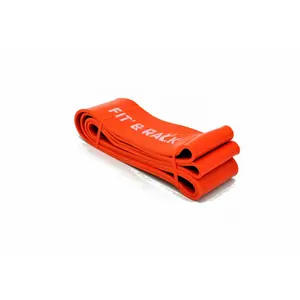
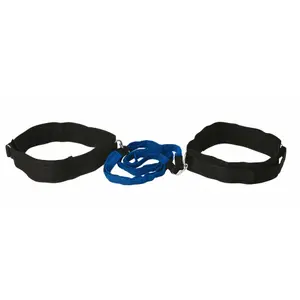
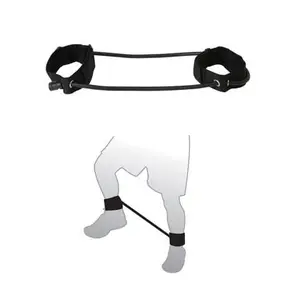
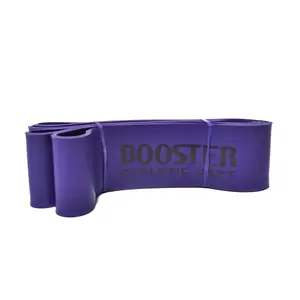
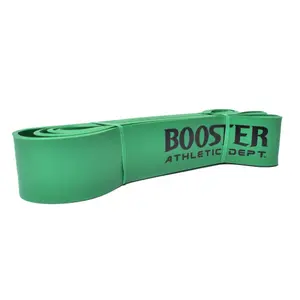
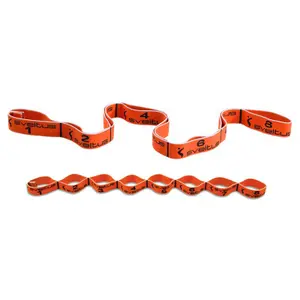
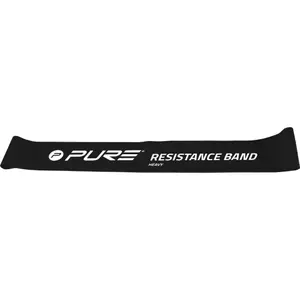
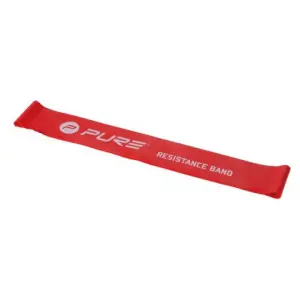
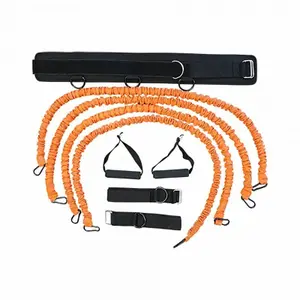
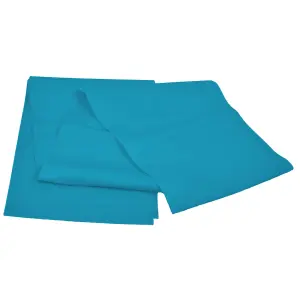
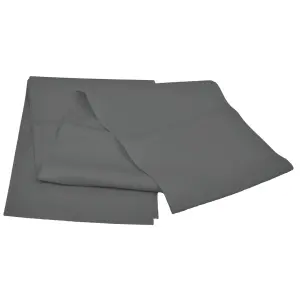
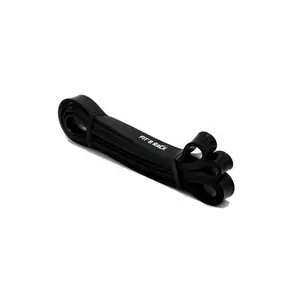
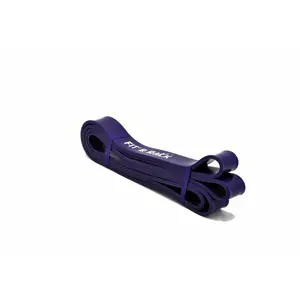
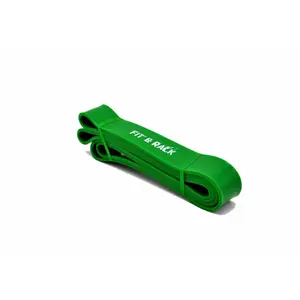
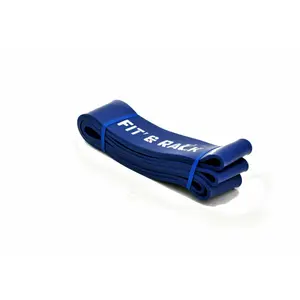

Before the match, around the shoulders or hips, to activate the muscles; at home, to strengthen the legs without heavy loads: resistance bands slip into a sports bag and accompany a volleyball player's entire physical preparation.
Loop bands, flat bands, sets of different resistances, elastic wrist supports: the page covers all formats.
Loop bands, flat bands: the formats
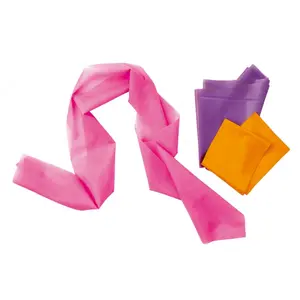
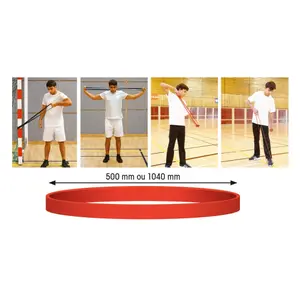
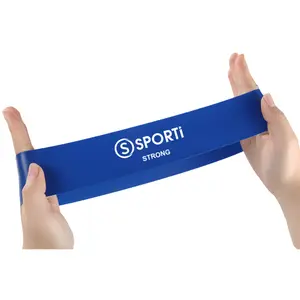
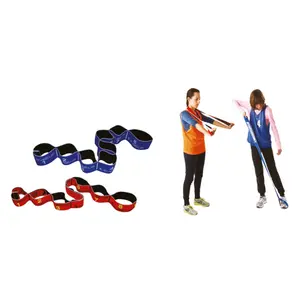
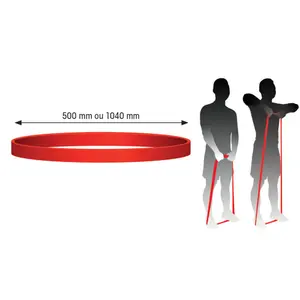
The closed loop band wraps around the legs, ankles, or a pull-up bar. It is used for squats, side steps, and assisted pull-ups. The open flat band is held in two hands or attached to a fixed point: it is suitable for shoulder exercises and stretches. Both come in various resistance levels.
Choosing your resistance
For warming up or returning from injury, use a light band; for strengthening thighs and glutes, use a stiffer band. The resistance is indicated by the colour or a label from the manufacturer, such as low or medium. With a set of several bands, you progress without needing to buy more and can adjust the tension for each exercise.
The elastics for volleyball
Before a match, a few shoulder rotations with a light band prepare the attack and service arm. Side steps with a band around the knees activate the hips, which is useful for defensive movements. For strengthening, squats and lunges with a band build explosive power without straining the back.
Sveltus, Tremblay CT, Sporti: who does what with elastics
- Sveltus offers resistance bands of several levels.
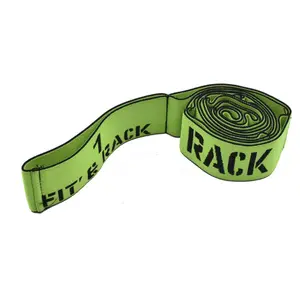
- Fit & Rack complements this with its weightlifting elastics.
- Tremblay CT provides its preparation elastics.
- Sporti features latex bands of different resistances and flat bands in sets.
- SEA and Softee widen the choice.
Nearby crossfit equipment
The skipping ropes work on rhythm and ankles. The battle ropes engage the shoulders and cardio. The sandbag adds unstable weight for core training. The core exercises bring together trunk strengthening equipment, and the accessories complete the kit. All the practice information is on the crossfit page.
Discount elastics
The small equipment is available through the special offers on physical maintenance and through the equipment sales.
Frequently Asked Questions
Can an elastic replace dumbbells?
Partially. The elastic provides a resistance that increases as it stretches, which works the muscle differently than a weight does. It suffices for warming up, rehabilitation, and regular strengthening, but less so for heavy loads.
How can you tell if an elastic is worn out?
Stretch it in the light: a crack, a whitened area, or a sticky appearance indicates that it needs to be replaced. An elastic that snaps under tension can whip the face.
How to maintain latex bands?
Latex is sensitive to UV light and heat: keep your bands in a drawer or an opaque bag. After your session, a damp cloth removes sweat, then let them dry flat before storing.
What if someone is allergic to latex?
Check the material on the product page before ordering. Some fabric or synthetic bands are suitable for individuals with allergies.
What resistance is needed for shoulder rehabilitation?
Start with the lightest one, using slow and controlled movements. The physiotherapist overseeing your rehabilitation is best placed to advise you on when to move up to the next level.